


I’m Still Here

It’s been a while since I last posted (almost 4 months). Rest assured, I’ve been trying hard to get back into a consistent routine that will build me up to marathon distance, introduce speed, and hopefully avoid injury.

It’s been hit-and-miss so far. A good build-up for a few weeks and then I’d lose my mojo, take a break, and have to reset again. Two steps forward, then one or even two steps back. I almost gave up entirely and then decided to try something new to get me back in the game. I set a two-week schedule of lots of short, easy runs. The first week, I ran almost every day and it got me back into the habit of running regularly, without the dread of the shortest run being at least 6 miles on a weekday evening after the slog of work! It felt good with no niggles present. The second week I reduced the number of runs and added in an extra mile or two to each run. Worked a charm. This culminated in a good 10-mile run last weekend. The plan worked and awakened the beast!

Just to show how difficult it can be to become a consistent runner, building back up from injury and illness, the following week (this week just gone by), I haven’t been running at all. I didn’t feel tired or run down at the start of the week, I just felt that my mojo had completely left the building. The closest I got to running was Thursday evening when I drove somewhere nice to do a short run but just sat in the car once I got there and then headed back home and gave up. I felt quite disheartened that I’d made such a leap forward and then hit a brick wall mentally all over again.

It’s now Saturday morning and my mojo is well and truly back! I’m really up for a long run and can’t wait to get to it. My pre-run snack has been and gone and I’ll be heading out for a half-marathon training run in an hour or so. Last weekend I managed a relatively quick 10 miles under a hot sun and with lots of hills thrown into the mix. The surprising and heartening main takeaway from that run was that my psychology clicked back into alignment with my physiology. I didn’t take my foot off the gas completely on hills, I didn’t worry about the hot sun or the heavy rain that eventually came on. I also wasn’t continuously playing mind games to alleviate the boredom that can often arise during long runs. At least that has been regularly true for me for the last few months.

All in all, I’m still struggling to get back to my old consistency whilst being able to release the beast as and when required. The ups and downs I’ve just mentioned, that have occurred over just the last few weeks, have messed with my head a little. Am I bored of running and should move on to something else? Am I just too old to physically do what I used to do? Has life in general jaded me to the point that my mojo has been broken beyond repair? Who knows!

I’m not done yet. I’m going to keep trying to get fully back in the game. Now that summer is here (apparently), it’s the best time of the year to make a real go of it!

Back At It

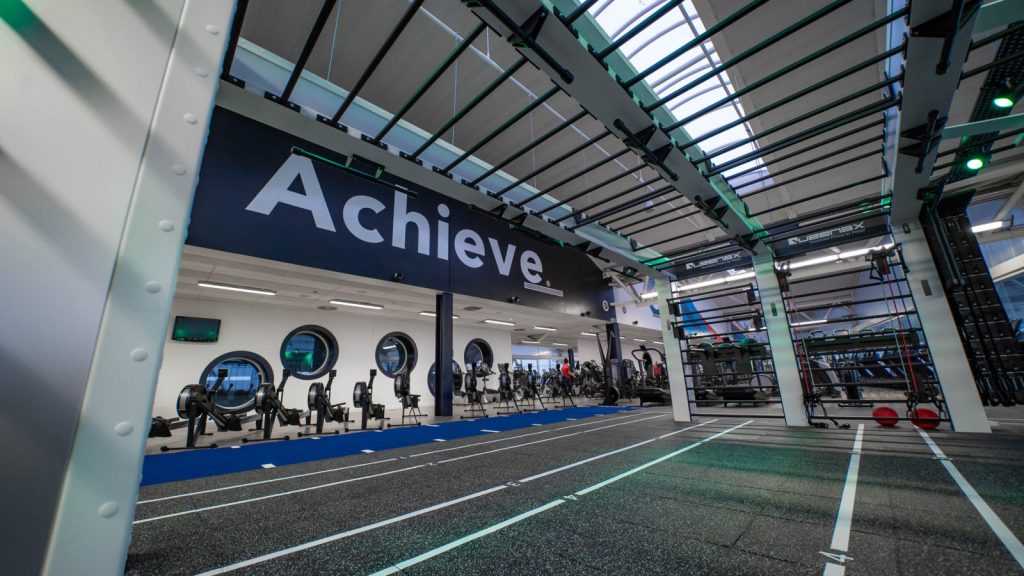
So I’ve decided to properly reset and go again from today. I’m feeling miles better now, but still have some leftovers from whatever the hell was wrong for me for around 7 weeks. The plan is to slowly build up the base miles again but, before that, the aim is to make use of our home gym for some workouts that don’t involve running on hard ground out in the cold when I’m just getting ‘back on my feet’.

Tonight, I started off with 5 minutes of walking on the treadmill, followed by some dynamic stretching and then some piriformis stretches. Next, it was 20 minutes on the cross trainer followed by 20 minutes running at 8 mins per mile on the treadmill. I then did some walking on the treadmill to ease off and that was that.

Just as an FYI if anyone is interested, when I’m in the gym I tend to watch Goran Winblad, Stan Efferding, or Nick Bare on Youtube. Inspirational, motivating, and educational videos that cover running and general health/fitness/sports nutrition topics.

Further down the line this year, I’m aiming to start off racing again with a 10k in July, half marathons in August and September, and a marathon in October. I still have piriformis syndrome however I’ll be adding in exercises to significantly strengthen my glutes and therefore hopefully stop the piriformis from spasming and setting off the sciatic nerve. I’m sure if I persevere, I’ll get beyond this latest injury/condition.

The last few months have been a slog both mentally and physically. Being injured and unwell during the darkest and coldest months of the year isn’t fun and I’ll be honest, I ended up in a dark place for a bit. Even the thought that I could reset and get going again soon was really uplifting. The fact that I’m now actually taking the early steps of my return is a good feeling. I’m looking forward to the feeling I had at the end of last year when I thought to myself ‘I actually feel like a runner again’.

Not The Best Start To The Year!

Reset required!

Instead of waiting till the beginning of the year to reset after injury, I got back at it in late October. By the time January 1st came along, I was in a very good place. Lots of base mileage done and I’d focused a lot on leg strength, core, balance, and stability. My goal of a first sub 3-hour marathon at the end of May was looking very, very achievable. Then, after a couple of days into the new year, I felt a bit run down and had a heavy cold. By a week into the year, I had covid which floored me for three days and left me very lethargic. Then after covid, I had flu-like symptoms but was covid-negative. I felt ok for a day and thought that was all over and done with. Not the case. I began to feel even worse with a mix of cold, flu, covid symptoms and needed time off work in bed. Fast forward to the middle of February and I still have a deep, painful cough, a recurring sore head, and I feel completely knackered most of the time. By my estimate I’ve completely lost all my running gains from last year so, in total, my training through November and December, plus the time lost from the start of January till now has all been cancelled out. That’s 3.5 months down the drain!

The marathon I’d planned to run (Edinburgh on Sunday, May 26th), is now no longer an option. I could somehow drag myself up to a level where I could get through it but I wouldn’t do myself justice. It would be a slog fest! So now I’m pondering what new target to set for myself. The initial plan was marathon training for the first 5 months of the year and then transitioning to hybrid training with lots of strength work for the upper body whilst maintaining a solid running schedule but not racing. I could aim for the Rannoch Marathon on Saturday, October 12th, but that’s a long, long way away. At least it’s an option.

As I type this I’m so tired and feel very yuck! I’m always planning for what to do next but my motivation and desire right now just aren’t there. The weekend is just about here so it might be an idea to try and ‘wake up my system’ by getting out for an easy run tomorrow (Saturday) to see how it feels. Hiding at home hoping I’ll just get better doesn’t seem to be doing the trick!

See below for a few things you could do to help recover from a post-illness running slump.

  1. Start slow: Begin with low-intensity exercises and gradually increase the intensity as your strength and stamina improve. This will help prevent overexertion.
  2. Set realistic goals: Establish achievable short-term goals to gradually build your fitness level. This can be as simple as increasing your daily step count or completing a short workout.
  3. Choose low-impact activities: Opt for exercises that are gentle on your body, such as walking, swimming, or cycling. These activities can help rebuild your strength without putting too much strain on your joints.
  4. Enjoy the Outdoors: Take advantage of the healing power of nature. Whether it’s a leisurely walk in the park, a hike in the woods, or simply sitting in a garden, spending time outdoors can provide a refreshing change of scenery and boost your mood. Fresh air and sunlight can have positive effects on your overall well-being, contributing to a sense of rejuvenation after illness. This outdoor time can also serve as a gentle introduction to more active pursuits as you gradually regain your strength.
  5. Prioritize rest and recovery: Adequate rest is essential for recovery. Ensure you are getting enough sleep and allow your body to recover between workouts.
  6. Listen to your body: Pay attention to any signs of fatigue or discomfort. If you experience pain or exhaustion, take a break and reassess your routine.
  7. Include flexibility exercises: Incorporate stretching and flexibility exercises to improve joint mobility and reduce the risk of injury.
  8. Stay hydrated and eat well: Proper nutrition is key to rebuilding your strength. Ensure you’re consuming a balanced diet with a focus on nutrient-dense foods.
  9. Join a supportive community: Consider joining a fitness group or class to stay motivated and surrounded by like-minded individuals who can offer support and encouragement.
  10. Track your progress: Keep a record of your workouts and celebrate small achievements. This can help boost your motivation and provide a sense of accomplishment.

Remember, everyone’s recovery journey is unique, so it’s essential to tailor these suggestions to your specific situation. If in doubt, consult with a healthcare and/or fitness professional for personalized guidance.

Short Run, No Energy, Whoops!

I headed out for my short run this evening (only 4 miles so it should have taken 30 mins tops) and I could tell from the off that I might have a problem with my energy levels.

Sure enough, as I cleared 2 miles and started to pick up the pace (kind of feeling okay), very suddenly my head was spinning and my legs felt very, very weak. Within a minute I was walking and felt completely drained. I say walking, but it was more like a staggering zig zag as I tried to get control of myself even though I felt like I could keel over any second. I managed to somehow run the majority of the rest of the run but I felt far from good doing so. There wasn’t any major target, it was just a short run to get me back in the habit and burn off some calories.

So why did this happen? The obvious answer, in this case, is that I’ve been cutting back on calories and upping my calorie burn as part of the initial 3-week phase of a planned longer-term diet. I didn’t feel hungry through late afternoon so I thought I’d easily manage such a short run. I managed it, but with a lot of difficulty!

I used to be very big on diet planning for running and exercise in general, making sure my portion sizes, the type(s) of food, and the timing were all just right. It had eventually become second nature to know what to eat and when without writing it down or typing it up. Somewhere along the way I’ve started playing it fast and loose which reminds me of the bad old days were I’d hammer into the exercise, with no real thought for what I’d eaten beforehand, hoping I’d have the energy to get the job done.

Today’s debacle has served to remind me that I need to get my house in order when it comes to planning my pre and post-exercise snacks and larger meals.

The following are some possible causes of a sudden depletion of energy when running:

  1. Insufficient Pre-run Nutrition:
    • Consuming an inadequate amount of carbohydrates before a run can lead to a lack of glycogen, which is the body’s primary energy source during aerobic activities like running.
  2. Poor Hydration:
    • Dehydration can impact energy levels and overall performance. When the body is not properly hydrated, it hinders the transportation of nutrients and can result in early fatigue.
  3. Inadequate Electrolytes:
    • Electrolytes, such as sodium and potassium, play a crucial role in maintaining proper fluid balance and muscle function. Sweating during a run can lead to an imbalance, affecting energy levels.
  4. Overtraining:
    • Running too frequently or pushing oneself too hard without adequate rest can lead to overtraining. This can cause fatigue, muscle depletion, and a decline in overall energy levels.
  5. Low Blood Sugar (Hypoglycemia):
    • For individuals with diabetes or those who haven’t eaten properly before a run, low blood sugar levels can occur, leading to a sudden drop in energy.
  6. Inadequate Post-run Recovery:
    • Failing to refuel and rehydrate adequately after previous workouts can leave the body depleted, affecting energy levels during subsequent runs.
  7. Stress and Lack of Sleep:
    • Stress and insufficient sleep can negatively impact energy levels. These factors can affect hormonal balance and interfere with the body’s ability to recover and perform optimally.
  8. Medical Conditions:
    • Certain medical conditions, such as anemia or thyroid disorders, can contribute to fatigue during exercise. It’s important to consult with a healthcare professional if persistent fatigue is a concern.

To avoid rapid energy depletion during a run, it is important to pay attention to nutrition, rest, hydration, and recovery. Adequate preparation, including proper fueling before and after runs, staying hydrated, and allowing sufficient recovery, can significantly contribute to sustained energy levels and overall performance.

Sunday Evening Blues

Whatever name these feelings go by, Sunday nights before going back to work on Monday can be a tad depressing. Even though I haven’t really thought about going back to work tomorrow, that underlying apprehension has been lurking. I’m organised at work, organised at home, have goals to aim for over the next few weeks, and I’m not stressing about anything I have on my work to do list. So how come this feeling of dread has been fighting for my attention?

Turn that frown upside down!

Commonly observed factors playing a role in Sunday evening apprehension, include elements such as the transition from leisure to work, and the awareness of upcoming responsibilities, both of which contribute to the psychological phenomenon known as “Sunday night blues.” While variations exist in individual experiences, the mentioned factors are frequently recognized contributors to the sense of dread associated with the end of the weekend.

The typical emotional states experienced are characterized by a sense of unease or mild anxiety as the weekend draws to a close. This phenomenon is often linked to the anticipation of the upcoming workweek. As people reflect on the leisure and freedom of the weekend, the prospect of returning to a more structured routine and facing work-related responsibilities can evoke a feeling of reluctance or mild distress. Factors such as the end of recreational activities, awareness of impending deadlines, and the adjustment to a more regimented schedule contribute to the complex emotional landscape associated with Sunday nights. It’s a shared experience among many individuals navigating the transition from the relaxation of the weekend to the demands of the workweek.

How can you reduce these negative feelings?

– Establish a calming Sunday evening routine with activities you enjoy.
– Organize and plan for the upcoming week to create a sense of control.
– Engage in mindfulness or relaxation exercises to manage stress.
– Shift your perspective by focusing on positive aspects of the week ahead.
– Strive for a healthy work-life balance.
– Incorporate self-care practices to promote overall well-being.

– Prioritize getting enough sleep on Sunday night to start the week well-rested.
– Break down large tasks into smaller, more manageable steps to reduce overwhelm.
– Connect with friends or family on Sundays for social support and a positive end to the weekend.
– Consider incorporating enjoyable activities on Monday to create anticipation for the start of the week.
– Reflect on accomplishments from the previous week to boost confidence and motivation.
– Limit exposure to work-related emails or tasks on Sunday evening to create mental space for relaxation.
– Explore relaxation techniques such as deep breathing, meditation, or a warm bath to unwind.
– Set realistic expectations for the week ahead, acknowledging that not everything needs to be perfect.

As the sun sets on Sunday evening, casting shadows on the weekend’s final moments, remember, you’re not alone in navigating the subtle melancholy that accompanies the end of leisure. Embrace the promise of a new week, where Mondays can be the canvas for fresh starts and unexpected joys. So, bid adieu to the Sunday night blues with a smile, knowing that every week is an unwritten story waiting for you to fill its pages with laughter, accomplishments, and perhaps a few delightful surprises. Here’s to banishing the blues and welcoming the week ahead with open arms!

Sunday Morning Winter Run

Ah, the Sunday morning winter run—the ultimate test of dedication when your bed feels like a cozy haven and the chilly air outside is playing a not-so-subtle game of discouragement.

It’s raining, it’s pouring…..

As you reluctantly peel yourself from the comfort of your bed, each step towards the closet feels like a negotiation. Your running gear looks at you with enthusiasm, but your cozy bed whispers sweet temptations. Yet, in this morning tug-of-war, you summon the spirit of a reluctant hero gearing up for an epic quest—well, a jog through the winter streets.

Armed with layers thicker than your excuses, you step outside into the frosty embrace of morning. The chilly air is a wake-up call as your breath mingles with the cold, you realize you’re not just running; you’re conquering the Sunday morning slumber dragon.

Sure, the initial steps might feel like negotiating with ice, but as you find your rhythm, you become a winter warrior, navigating the streets with a mix of determination and a touch of “What was I thinking?” humour. And as the sunrise peeks through the frosty trees, you realize that conquering the cozy bed was just the warm-up. Here’s to Sunday morning winter runs—a blend of frosty challenges and the unexpected warmth of accomplishment. 🌬️🏃‍♂️❄️ #WinterWarrior #SundayMorningRun #CozyBedVsRunningShoes